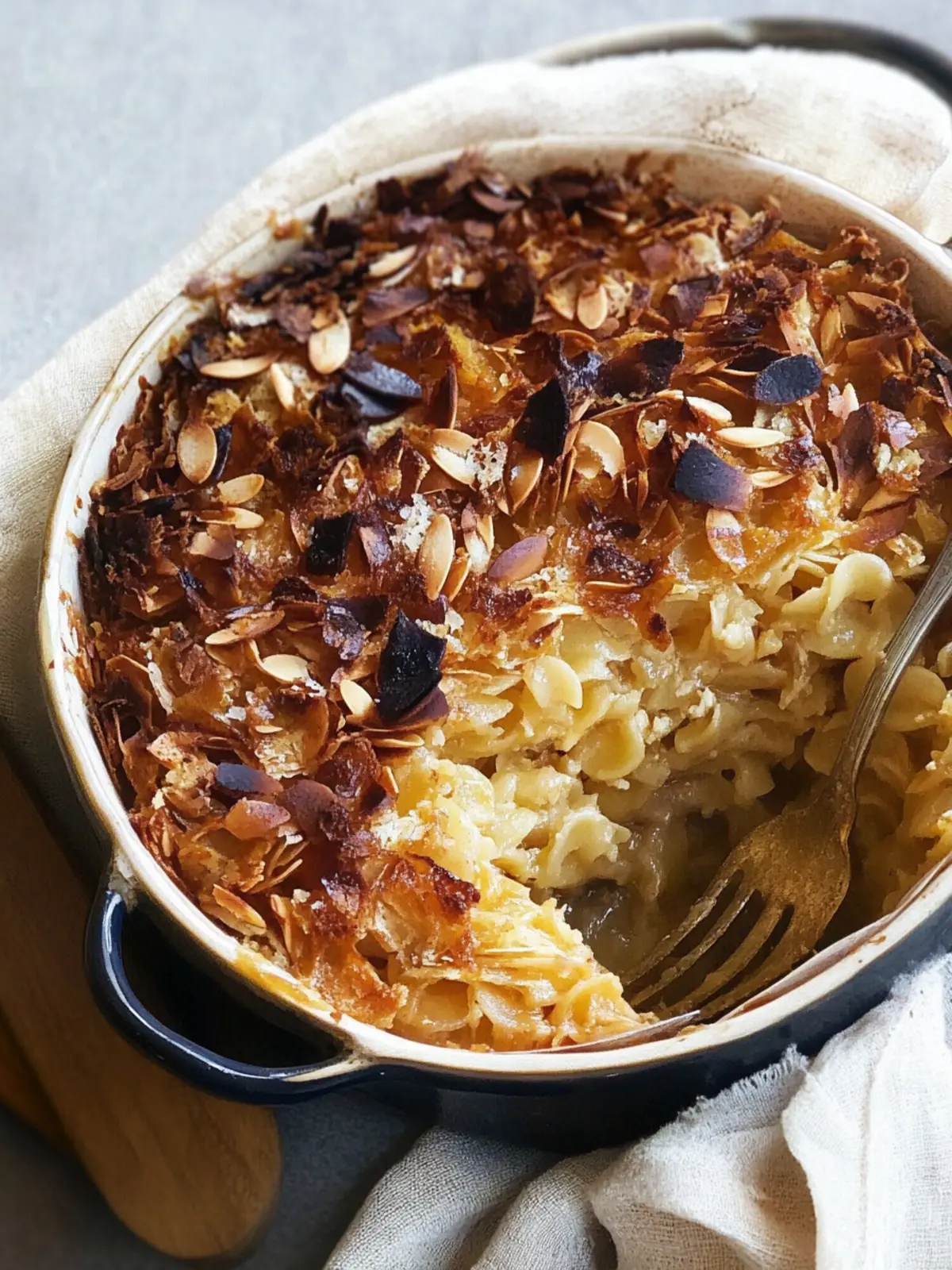
Few dishes evoke a sense of warmth, nostalgia, and comforting tradition quite like noodle kugel. This beloved Jewish casserole, often affectionately called "noodle pudding," transcends simple categorization, equally at home on a holiday table, at a brunch spread, or as a comforting dessert. With its wide, tender egg noodles nestled in a rich, creamy custard, noodle kugel offers a delightful balance of sweet and sometimes savory notes that makes it a perennial favorite. If you've ever wondered about the secrets to a truly exceptional kugel, or how to customize it to your heart's content, you've come to the right place. This ultimate guide will walk you through everything you need to know to master this versatile dish, from classic sweet preparations to clever make-ahead strategies.
What Exactly is Noodle Kugel? Unpacking a Culinary Tradition
At its heart, noodle kugel is a baked casserole made primarily from egg noodles, a creamy dairy mixture, and eggs. While it shares some structural similarities with a bread pudding, it distinguishes itself by utilizing pasta instead of bread, creating a unique texture and flavor profile. The dairy base typically consists of cottage cheese, sour cream, and eggs, which bind the noodles together into a cohesive, sliceable dish. Historically, kugel has held a significant place in Jewish cuisine, frequently served during holidays like Rosh Hashanah, Yom Kippur, and Sukkot, and for Shabbat meals. However, its deliciousness has ensured its popularity far beyond religious observances.
The beauty of noodle kugel lies in its incredible versatility. While many associate it with a deliciously sweet profile, often enhanced with sugar, vanilla, and sometimes dried fruits, savory versions also exist, incorporating ingredients like onions, mushrooms, or even potatoes. This adaptability means you can enjoy it in myriad ways: a sweet breakfast treat, a hearty side dish alongside a main course (even a roast, as some traditions hold!), or a satisfying dessert. Furthermore, unlike many casseroles, kugel is famously delicious whether served hot from the oven, warm, at room temperature, or even chilled directly from the refrigerator, making it incredibly convenient for any occasion.
Crafting the Perfect Noodle Kugel: Key Ingredients and Techniques
Achieving a sublime noodle kugel doesn't require complex techniques, but understanding a few key principles can elevate your dish from good to unforgettable. The magic truly lies in the balance of its core components and how they're prepared.
The Noodle Foundation
- Choose Your Noodles Wisely: Opt for wide egg noodles. Their broad surface area allows them to absorb the creamy custard beautifully and provides that classic, satisfying texture.
- Salt the Water: Just like any pasta, boiling your egg noodles in generously salted water is crucial. This not only imbues the noodles with flavor from the inside out but also helps prevent them from becoming overly sticky, ensuring they separate nicely within the kugel.
- Al Dente is Key: Boil the noodles according to package directions, aiming for al dente. They will continue to cook in the oven, so slightly undercooking them initially prevents them from becoming mushy.
The Rich Custard Base
The custard is the heart of your noodle kugel, providing its signature creaminess. The standard mix includes cottage cheese, sour cream, and eggs, often with sugar and vanilla extract for sweet versions. Here’s where a crucial texture decision comes into play:
- For a Smooth, Cheesecake-Like Interior: If you desire a silky, almost homogenous texture where the cottage cheese blends seamlessly, blend your custard ingredients in a blender or food processor. This creates a beautifully smooth consistency, allowing the rich flavors to meld perfectly.
- For a More Nubby, Traditional Texture: If you prefer subtle bits of cottage cheese peeking through the noodles, providing a pleasant textural contrast, simply whisk all the custard ingredients together in a large bowl. This yields a more rustic, home-style kugel that many cherish.
- Consider Ricotta: If cottage cheese isn't your favorite, ricotta cheese makes an excellent substitute, offering a similar creaminess with a slightly different flavor profile.
Baking for Perfection
- Don't Overbake! This is perhaps the most critical tip for a moist and tender noodle kugel. Overbaking can lead to a dry, crumbly, and less appealing custard. The kugel is ready when the edges are set and lightly golden, and the center is mostly firm but might still have a very slight wobble. Typically, baking at around 350°F (175°C) for 45-60 minutes, depending on the pan size and depth, is ideal.
- Cooling Time Matters: Allow your kugel to cool for at least 15-20 minutes before serving. This helps the custard set properly, making for cleaner slices and a better overall texture.
Elevate Your Noodle Kugel: Irresistible Variations and Toppings
While a classic sweet noodle kugel is undeniably delicious, one of its greatest appeals is how easily it can be customized. Think of the basic recipe as a canvas for your culinary creativity. For even more inspiration and detailed recipes for customizing your kugel, check out our guide on Crafting Perfect Noodle Kugel: Creamy, Sweet, and Easy Variations.
Sweet Enhancements
- Fruity Additions:
- Raisins: A time-honored classic, raisins add pockets of sweet chewiness.
- Dried Cranberries or Apricots: If raisins aren't your preference, dried cranberries offer a tart counterpoint, while chopped dried apricots provide a different kind of sweet, chewy texture.
- Fresh Fruit: Diced apples or pineapple can be folded into the noodle mixture, adding moisture, sweetness, and a burst of fresh flavor. Apples pair wonderfully with cinnamon, while pineapple brings a tropical zing.
- Spices and Extracts: Beyond vanilla, consider a touch of almond extract for a nutty depth, or a pinch of nutmeg to complement the dairy and egg flavors. Orange or lemon zest can also brighten the overall taste.
Delightful Toppings
A topping isn't just for decoration; it adds crucial texture and an extra layer of flavor that can truly transform your noodle kugel. Sprinkle these over the top before baking:
- Classic Cinnamon-Sugar: A simple yet effective blend of granulated sugar and cinnamon creates a delightful crunchy, sweet crust.
- Streusel Topping: For a richer, crumbly finish, a streusel made from butter, flour, sugar, and cinnamon is hard to beat.
- Crushed Graham Crackers: Buttered and crushed graham crackers offer a sweet, slightly spiced crunch reminiscent of cheesecake crust.
- Cornflakes: Crushed cornflakes tossed with a little melted butter create a surprisingly satisfying, crispy texture.
A Nod to Savory Kugels
While this article focuses on the sweeter side of noodle kugel, it's worth noting the existence of savory versions. These typically reduce or eliminate sugar, incorporating ingredients like caramelized onions, sautéed mushrooms, herbs, or even grated potatoes. They offer a completely different, equally delicious experience, often served as a hearty side dish rather than a dessert or breakfast item.
Make-Ahead Magic: Enjoying Noodle Kugel Anytime
One of the most appealing aspects of noodle kugel, especially for busy hosts or meal preppers, is its incredible make-ahead potential. This dish is designed for convenience, allowing you to prepare it well in advance without sacrificing flavor or texture.
You can assemble your entire noodle kugel the day before you plan to serve it. Simply prepare the noodles and custard mixture, combine them, pour into your baking dish, and cover tightly with plastic wrap or foil. Store it in the refrigerator overnight. This allows the flavors to meld beautifully, often resulting in an even more delicious kugel.
When you're ready to bake, simply uncover the kugel and place it in a preheated 350-degree oven. Baking time might be slightly longer than if baked from fresh, usually around 45-60 minutes, or until golden brown and set. This strategy is a game-changer for holiday meals, freeing up oven space and valuable time on the day of your event. If you've already baked it and have leftovers, or want to reheat a previously made kugel, a 20 to 30-minute reheat in a 350-degree oven will warm it through perfectly.
The flexibility extends beyond preparation. As mentioned, noodle kugel is delightful at any temperature. Serve it warm from the oven for a comforting experience, or let it come to room temperature for a more casual buffet. Many even enjoy it cold, straight from the fridge, as a quick snack or a unique breakfast option. This versatility truly solidifies noodle kugel's status as a go-to dish for any time and any occasion.
Conclusion
From its humble origins as a traditional Jewish holiday staple to its widespread appeal as a versatile comfort food, noodle kugel holds a special place in the hearts and on the tables of many. Whether you prefer a silken, cheesecake-like interior or a more rustic, nubby texture, a generously sweet profile or a subtle hint of fruit, this guide offers the foundation for your ultimate kugel creation. Its make-ahead convenience and ability to be enjoyed at any temperature further cement its status as a culinary MVP. So, gather your ingredients, embrace the comforting aromas that will fill your kitchen, and prepare to enjoy a truly delicious and deeply satisfying dish that reminds us that sometimes, the simplest traditions are the most profound.
